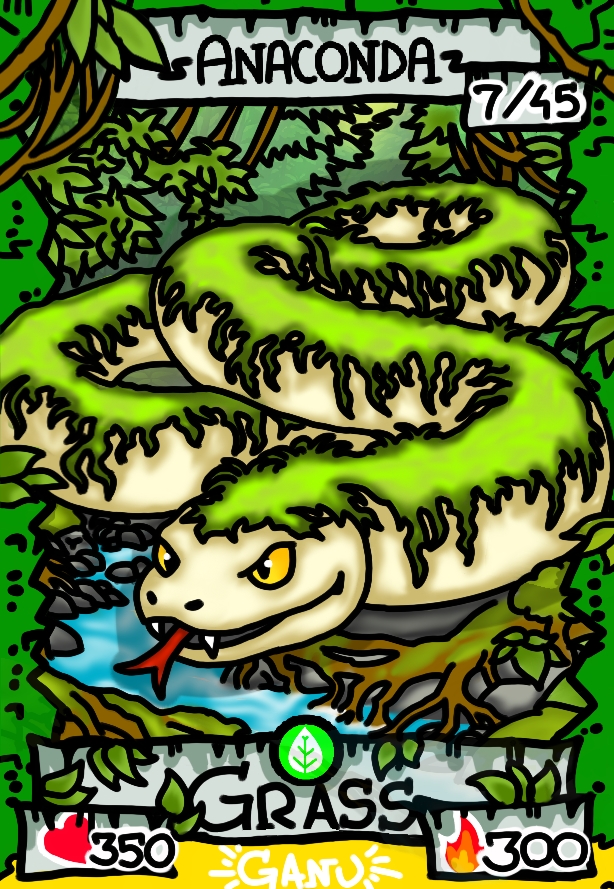
Legendary
Anaconda
Grass / 9/45
Full-scene presentation, premium visual weight, and a flagship collector presence.
Welcome Back
COLLECTIBLES / TRADABLES / TCG
A cinematic home for handcrafted trading cards — where elemental creatures, premium presentation, and future arena play meet in one polished showcase.
7 Elements / 3 Main Tiers + Secret Arts / Built for Collecting, Trading, and Duels
Card Spotlight
A tighter, more editorial showcase built to keep the cards compact and the details sharp.
Grass / 9/45
Full-scene presentation, premium visual weight, and a flagship collector presence.
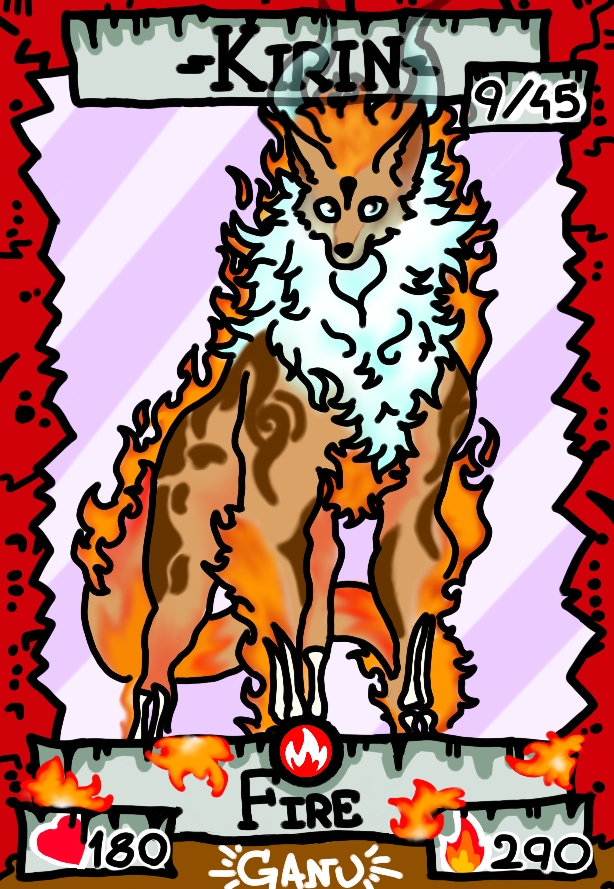
Magic / 3/45
Clean, balanced, and foundational — the kind of card that defines the set's visual language.
Player Reviews
A review grid that already feels live, even before real user accounts are connected.
The Season Zero presentation pass is now focused on refinement rather than exploration. The current work is centered on visual rhythm: hero composition, hover responsiveness, glow restraint, and stronger card staging across the homepage.
This phase is important because CARDs 2.0 is meant to feel premium before the player ever enters the arena. The goal is not just polish, but confidence — every surface, motion, shadow, and spacing decision should support that feeling.
Next, the same standard will be carried into the future Index, Marketplace, and Arena screens.
The handmade card scan workflow has been improved to produce a cleaner showcase result from local image files. This helps preserve the texture and warmth of the original art while reducing inconsistency in contrast and presentation.
Since the cards are the center of the platform, the image pipeline has to respect both the craft of the artwork and the needs of the interface. Better scans mean better depth, cleaner highlights, and a more trustworthy collector experience.
This update lays the groundwork for the upcoming gallery view and future collectible browsing.
The Arena interface framework has now been structurally mapped out. This includes planning space for future duel screens, card hand zones, player identity panels, turn indicators, and adaptable interaction states.
Nothing multiplayer-related is being wired yet, but the front-end architecture is already being shaped so that future backend integration can happen without forcing a redesign.
The result is a cleaner path toward a modular Arena build that can grow without becoming visually inconsistent.